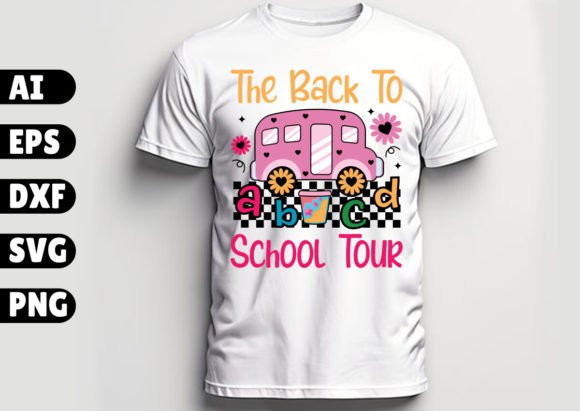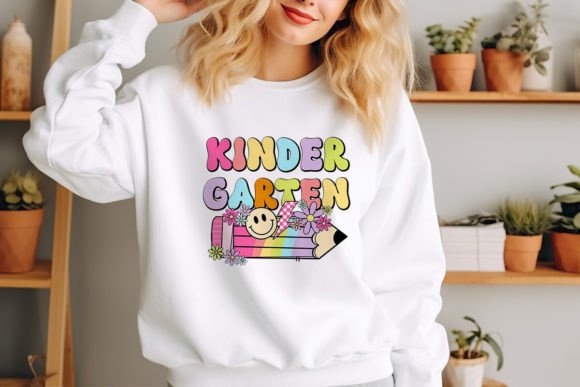
Kindergarten Retro Back to School: A Strategic Design for Small Business Growth
The Kindergarten Retro Back to School design is more than just a nostalgic visual—it's a strategic asset for small businesses looking to connect with their audience in a meaningful way. This retro-inspired aesthetic evokes the simplicity, joy, and nostalgia of early childhood education, making it an ideal choice for brands that want to tap into emotional connections while maintaining a sense of approachability and warmth.
Why Kindergarten Retro Back to School Matters for Small Businesses
In a world where branding often leans toward minimalism or high-tech aesthetics, the Kindergarten Retro Back to School design offers a refreshing alternative. It’s not just about aesthetics; it’s about storytelling. The design speaks to a universal experience—starting school, learning, growing, and creating. For small businesses, this can translate into stronger customer engagement, especially with parents, educators, and those who value simplicity and tradition.
This design is particularly effective for businesses that cater to educational markets, children’s products, or even lifestyle brands that emphasize family values and nostalgia. By using the Kindergarten Retro Back to School theme, you’re not just selling a product—you're offering a piece of memory, a feeling, and a shared experience.
Strategic Use Cases for Kindergarten Retro Back to School
The versatility of the Kindergarten Retro Back to School design allows it to be applied across multiple platforms and product types. Whether you're creating t-shirts, mugs, bags, pillows, or wall art, this design has the potential to resonate with a wide range of audiences.
- T-Shirts: Ideal for schools, educational institutions, or community events. These can be used as promotional items, merchandise for back-to-school events, or even as part of a loyalty program.
- Mugs: Perfect for daily use, these can serve as branded gifts for teachers, students, or parents. They also make great promotional items for local businesses or online stores.
- Bags: Functional and stylish, these are great for carrying books, supplies, or personal items. They can be sold through school supply stores or as part of a curated collection.
- Pillows: Comfortable and cozy, these can be used in classrooms, homes, or even as part of a themed decor line. They add a touch of personality to any space.
- Wall Art: These can be used in classrooms, offices, or public spaces to create a welcoming and nostalgic atmosphere. They are also great for home decor or event setups.
Each of these use cases leverages the emotional appeal of the Kindergarten Retro Back to School design, making it a powerful tool for both branding and customer connection.
How to Approach Kindergarten Retro Back to School Strategically
Before diving into the design, it's important to consider your target audience and business goals. Are you looking to build brand awareness? Increase sales? Foster community engagement?
For example, if your goal is to increase sales during the back-to-school season, using Kindergarten Retro Back to School designs on t-shirts and mugs can help create a sense of urgency and relevance. If your focus is on building a loyal customer base, then incorporating this design into a consistent brand identity can help reinforce trust and familiarity.
Additionally, consider how the design aligns with your overall marketing strategy. Is it part of a larger campaign? Does it fit within your brand voice and messaging? Ensuring consistency across all platforms will help maximize its impact.
Planning Tips for Success
When planning to use the Kindergarten Retro Back to School design, start by defining clear objectives. What do you hope to achieve with this design? How will it contribute to your long-term goals?
Next, research your target market. Who are your customers? What do they value? Understanding their preferences will help you tailor the design to better meet their needs and expectations.
Finally, plan for scalability. Will this design be used for one-time promotions or as part of a recurring product line? Having a clear roadmap will ensure that you’re using the design effectively and efficiently.
Risks of Using Kindergarten Retro Back to School Without Clear Goals
While the Kindergarten Retro Back to School design can be incredibly effective, it’s important to avoid using it without a clear purpose. Without defined goals, the design may fail to resonate with your audience or fall short of your business objectives.
One risk is that the design may become too generic or overused. If not executed thoughtfully, it could lose its emotional appeal and become just another trendy item. To avoid this, focus on creating a unique interpretation of the design that aligns with your brand and values.
Another risk is misalignment with your target audience. If the design doesn’t speak to your customers’ interests or needs, it may not generate the desired response. Always conduct market research and gather feedback to ensure the design is relevant and engaging.
Intentional Use for Long-Term Value
To maximize the long-term value of the Kindergarten Retro Back to School design, use it intentionally rather than randomly. Think about how it can support your business goals, enhance your brand identity, and improve customer experience.
Consider integrating the design into your content marketing strategy. For instance, you could create blog posts, social media content, or email campaigns that highlight the story behind the design and its relevance to your audience. This not only strengthens your brand but also builds a deeper connection with your customers.
Additionally, think about how the design can be used in different contexts. Is there a way to adapt it for seasonal promotions, special events, or even as part of a limited-time offer? Being flexible and creative with your usage will help keep the design fresh and relevant.
Conclusion
The Kindergarten Retro Back to School design is more than just a visual element—it’s a strategic tool that can help small businesses connect with their audience in a meaningful way. By understanding its potential, planning its use carefully, and applying it intentionally, you can unlock greater success and long-term value.